Doncaster is set to take to the skies again, and two recent announcements promise to significantly boost the local economy.
The news that the City of Doncaster Council has signed a 125-year lease to reopen and secure the long-term future of Doncaster Sheffield Airport (DSA) was quickly followed by an announcement that Hybrid Air Vehicles (HAV) has selected the city as the manufacturing hub for its giant Airlander 10 airships, creating 1,200 jobs.
Investing in Doncaster
The announcement about the airport comes after more than a year of intricate and extensive negotiations with the Peel Group, the landowners and former operators. The lease agreement marks the initial phase of reopening the airport. The subsequent step involves appointing an airport operator to oversee its operations.
Speaking to journalists, Doncaster Mayor Ros Jones said, “This is a major step in the reopening process. The next is appointing an operator and investor who will manage and develop the airport. This process is well underway and I am optimistic that I can announce a partnership later in the spring.”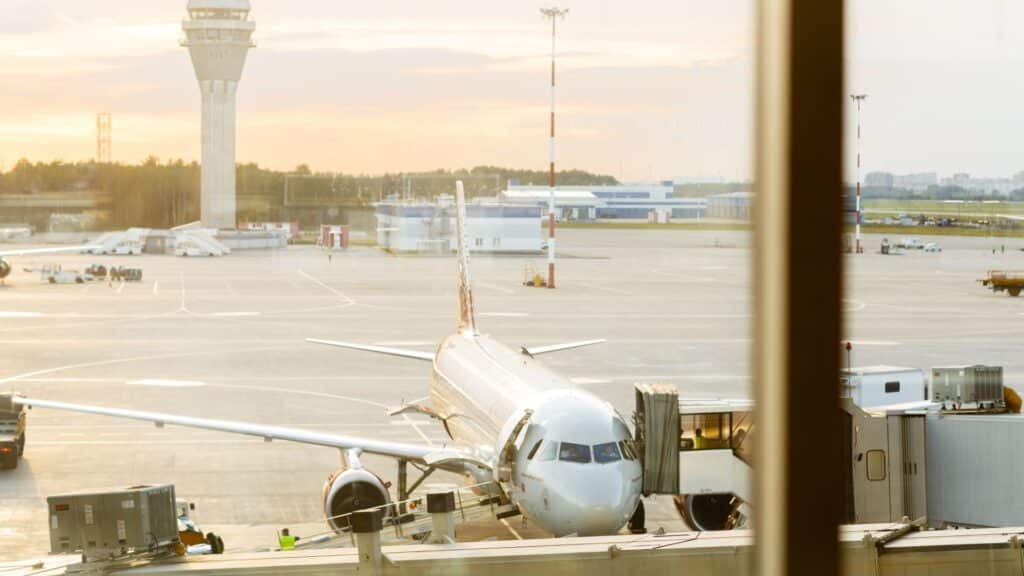
Welcome News
Many of the region’s residents will warmly welcome the airport’s reopening, as they have missed the opportunity to fly to European holiday destinations from the city since it closed in 2022. However, local business leaders believe the airport will bring more benefits to the city and surrounding area than the promise of a sunshine break.
Helen Warmen, Director of Coppergate Serviced Accommodation, which operates four managed properties in the city, believes the news is only the start of great things to come. Expressing her enthusiasm about the transformative impact of these developments on the local business community, Helen said, “The revitalisation of Doncaster Sheffield Airport and the arrival of Hybrid Air Vehicles mark a pivotal moment for our region’s economy. This expansion enhances our connectivity and presents exciting opportunities for local businesses to thrive in a globally competitive market.
A Boost for Doncaster Businesses
According to Helen, the retail distribution industry, particularly companies like Amazon and other eCommerce giants, is poised to benefit significantly from the airport’s reopening.
“Doncaster’s strategic location, now reinforced by its air transport capabilities, will serve as a pivotal hub for national and international logistics companies,” says Helen. The expanded airport facilities mean faster and more efficient transportation of goods, especially for companies operating large-scale distribution networks.”
It’s hoped that online retailers will find Doncaster even more attractive for establishing new distribution centres.
“The ability to transport goods more swiftly by air to and from the region will enhance their delivery networks, reducing transit times and enabling quicker response to customer demands,” says Helen.

Sky High Innovation
It’s also hoped the eCommerce logistics industry will benefit from Hybrid Air Vehicles investment in the city.
The Airlander 10 project adds a unique dimension to logistics. These innovative airships can carry substantial cargo loads over long distances, making them ideal for transporting goods to and from remote locations. The integration of Airlander 10 operations in Doncaster not only creates manufacturing jobs but also opens up opportunities for utilising these airships in commercial freight operations.
Speaking to the BBC, HAV Chief Executive Tom Grundy said: “Our vision to rethink clean flight has been met with robust support at every step of the way by City of Doncaster Council and South Yorkshire region. We look forward to working closely with the community as we launch our production programme and progress this extraordinary project.”
Transforming Doncaster
The airport’s revival and the Airlander project signify a shift towards advanced transportation solutions, aligning with the evolving needs of modern commerce. Doncaster’s transformation into an aviation and logistics hub will not only benefit established firms but also nurture entrepreneurship and innovation within the region. As the airport and airship operations take flight, Doncaster emerges as a dynamic centre for business, trade, and technological advancement, firmly positioning itself on the global economic map.
“Local businesses are preparing to capitalise on this enhanced connectivity,” says Helen. “Distribution centres and fulfilment hubs are expected to expand, offering employment opportunities and boosting demand for ancillary services. We hope the influx of investment and job creation will stimulate the broader economy, support infrastructure development, and attract further commercial interests to the region. We certainly anticipate increased demand for accommodation and services, creating a positive ripple effect across the entire business ecosystem.”

A Brief History of Doncaster Sheffield Airport (DSA)
Doncaster Sheffield Airport (DSA) has a rich history that reflects its evolution from a military airfield to a commercial airport. Originally known as RAF Finningley, the airfield was established in 1915 during World War I. Over the decades, it served various military purposes, including training and operational activities during World War II.
After the war, RAF Finningley continued to operate as a military base until 1995, when the Ministry of Defence decommissioned it. Subsequently, plans were initiated to repurpose the airfield for civilian use, recognising its strategic location and potential to serve as a regional airport.
Commercial Flights
In 2005, after significant investments and renovations, Doncaster Sheffield Airport officially opened for commercial flights. The airport’s modern terminal facilities and runway expansions enabled it to accommodate a growing number of passengers and airlines. With its proximity to major cities like Sheffield, Leeds, and Nottingham, DSA became an important gateway for travellers in the Yorkshire and East Midlands regions.
Doncaster Sheffield Airport continued expanding its route network, attracting budget airlines and charter operators offering domestic and international flights.
Ongoing infrastructure developments and improvements in passenger services supported this growth.
Covid-19
Like many others worldwide, the airport experienced a significant decline in passenger traffic and airline operations during the height of the pandemic, leading to financial strain.
As a result, DSA temporarily ceased commercial flights and operations in early 2022, impacting both travellers and businesses reliant on the airport’s services. The closure was a setback for the local economy, as the airport had become an important transportation hub supporting tourism, business travel, and cargo operations in the region.
During this period, discussions and negotiations took place to secure the airport’s future. Efforts were made to explore potential investments and partnerships to revitalise DSA and ensure its long-term sustainability.
Rebirth
Following detailed negotiations with stakeholders, including the Peel Group, a lease agreement was eventually reached to reopen and secure the airport’s future. This marked a turning point for DSA, paving the way for a new chapter in its history.
Book Now
To learn more about Coppergate Serviced Accomodation in Doncaster or to book a property for your staff while they are visiting the region, click here.